
Build
AI and process automation
We identify what AI can genuinely absorb in your business, and take it all the way to production.
The question is not “what can AI do”, it is “what, in your business, repeats often enough to be worth automating”. Triaging incoming requests, drafting a reply, extracting information from a document, checking a file is complete: these have a measurable volume and a stable rule. We handle those, with human validation on anything that commits the business. What is really a deterministic workflow, we write as one — calling a set of rules “AI” helps nobody.
The method
How we work
- 01
We map the processes and quantify the volumes
How many times a month, how many minutes each time, by how many people. Without that figure you cannot tell whether automation pays — and often it does not.
- 02
We pick the serious candidates
Enough volume, a stable rule, recoverable errors. We explicitly rule out anything failing those three conditions, even when the demo would be spectacular.
- 03
We test on your real data
A prototype run against your past files, where the right answer is known. That is the only way to measure an error rate before anything goes into production.
- 04
We ship with a human in the loop
Anything that commits the business goes through a validation. Automation prepares, proposes, sorts — the decision stays with you, and every decision is traced.
What you get
Deliverables
- check_circleThe process map with, for each one, the time it costs today
- check_circleThe error rate measured on your real files, not on a demo set
- check_circleThe automation in production, with its supervision screen
- check_circleA trace of every decision: what was proposed, by what, validated by whom
- check_circleWhat we ruled out, and why — often the most useful part of the report
The proof
Where we have done it
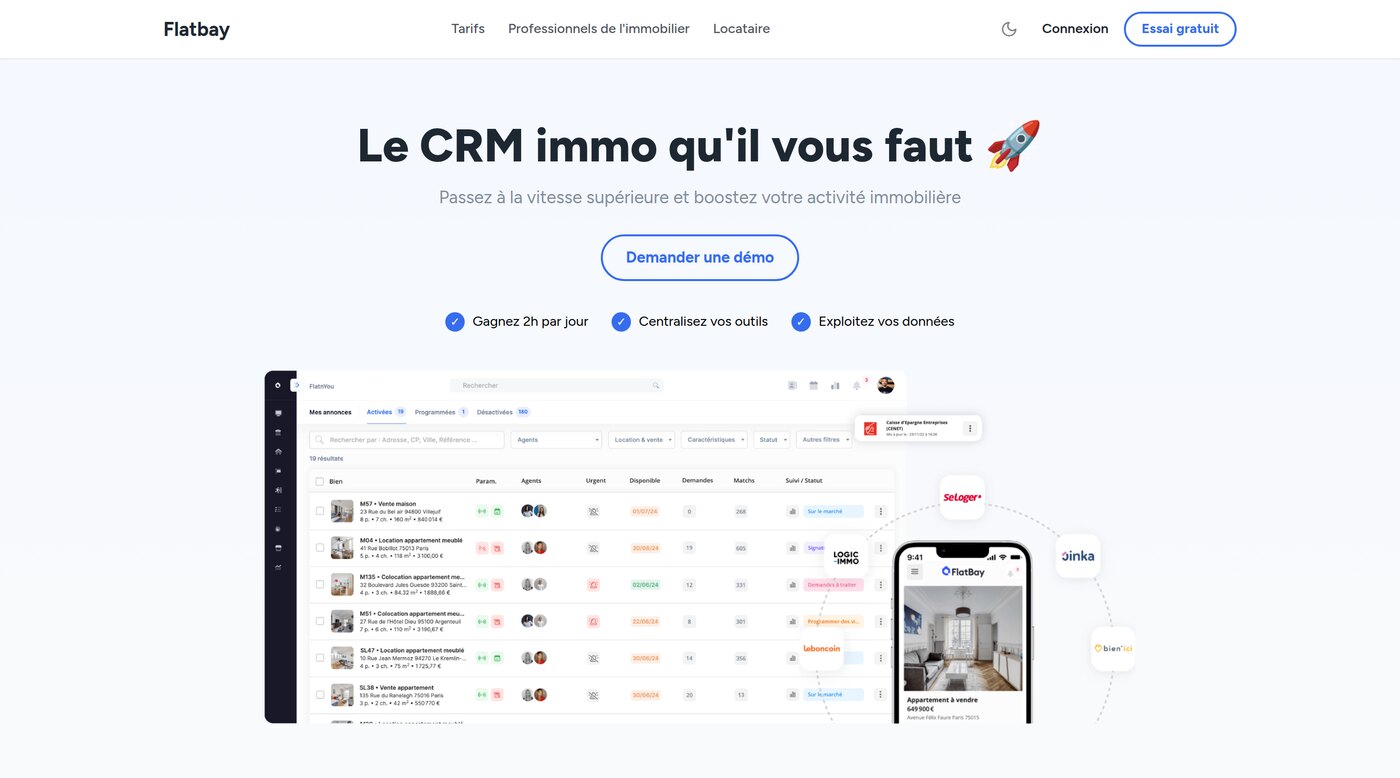
FlatBay
Since 2015Agencies drowning in incomplete files. An assistant that chases missing documents, computes the affordability ratio, and only passes on complete applications.
Read the case studyarrow_forward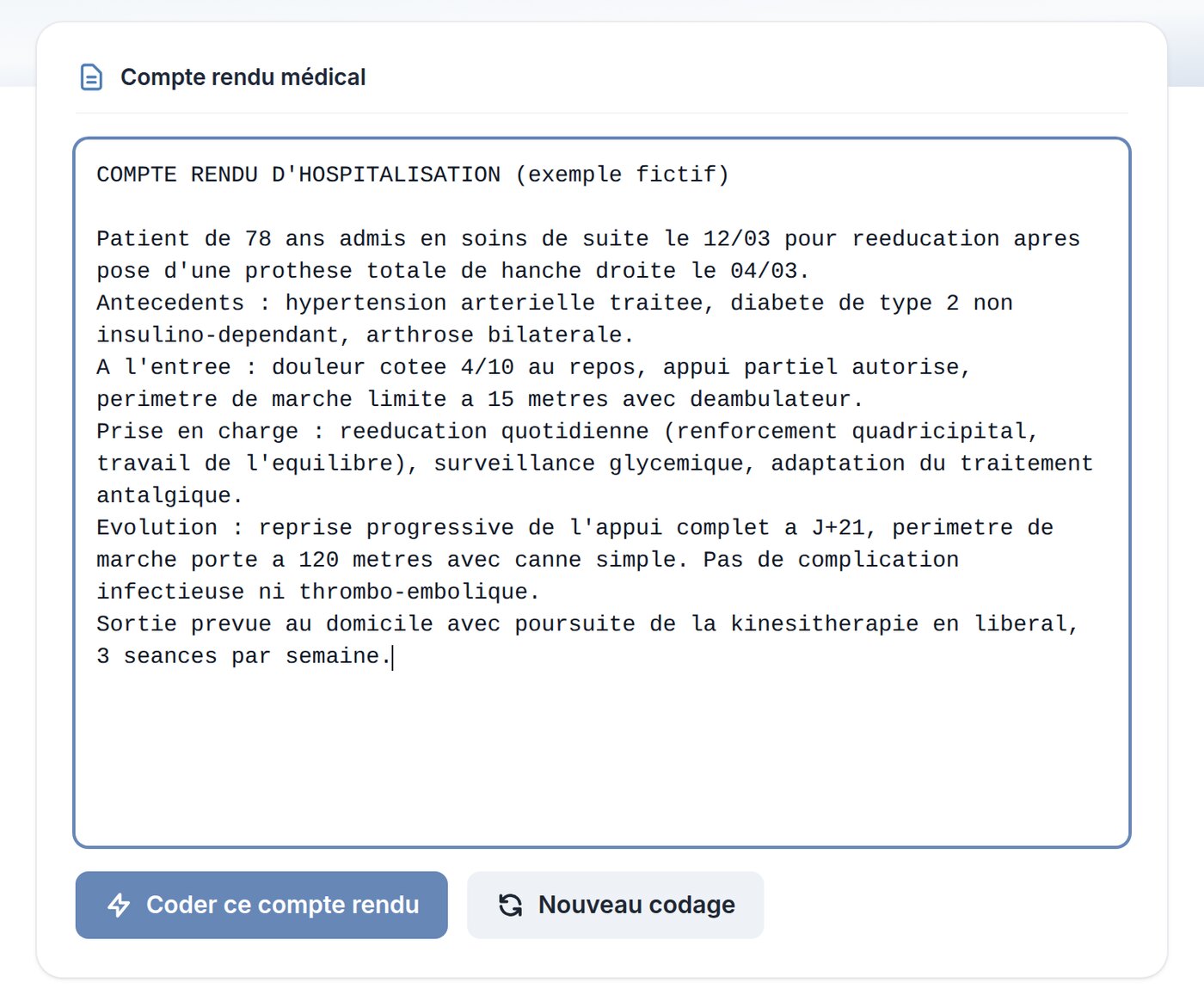
Gextra AI
Since 2026How a stay is coded determines what the facility is paid. An AI-assisted review flags under-rated severity levels, and the doctor decides.
Read the case studyarrow_forward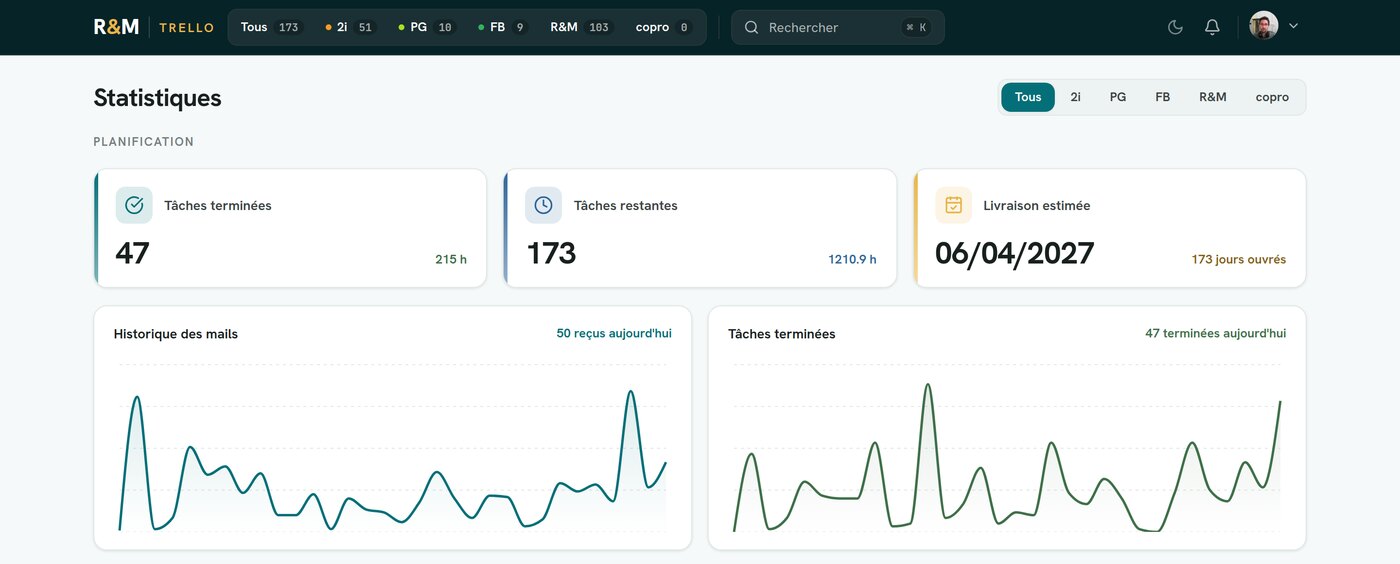
Pilotage & support IA
Since 2025Requests arrive by email, by WhatsApp, by web form. They are qualified, attached to the right project, and a reply is drafted — a human approves before it is sent.
Read the case studyarrow_forwardFrequently asked questions
- Will my data go to OpenAI?
- It depends on the architecture, and it is an explicit choice from the start. We work on health data, where the trade-off is strict: what must stay with you stays with you, even if it means a less capable model. This is settled before the first line of code, never after.
- What if the AI gets it wrong?
- It will. That is why we measure the error rate before production, why we only automate what has recoverable errors, and why a human validation keeps control of anything that commits the business.
- What does it cost to run?
- The cost per operation can be calculated and quoted up front. In many cases it is a matter of cents — but multiplied by a large volume it becomes a line worth watching. We put it in the dashboard from day one.
Also in “Build”
Custom software development
The application your business runs on, when nothing off the shelf fits.
webWebsite design and rebuild
A fast site that says what you do, and makes people want to call.
move_upLegacy migration and code takeover
An application nobody dares touch any more, brought back into shape without stopping the business.
smartphoneMobile applications
One codebase for iOS and Android, published on both stores.
hubIntegrations and business APIs
Getting your tools to talk to each other, so nobody re-keys the same data twice.
monitoringData and dashboards
The right figure, in one place for everyone, updated on its own.
Let's talk about your project
Thirty minutes is enough to tell whether we are the right fit. We reply within 48 hours, and we say no when it is not for us.